


Impostor Syndrome: I just assumed that some of what I got was just out of luck and deeply blamed every failure, but it wasn't.

Updated: Dec 14, 2024
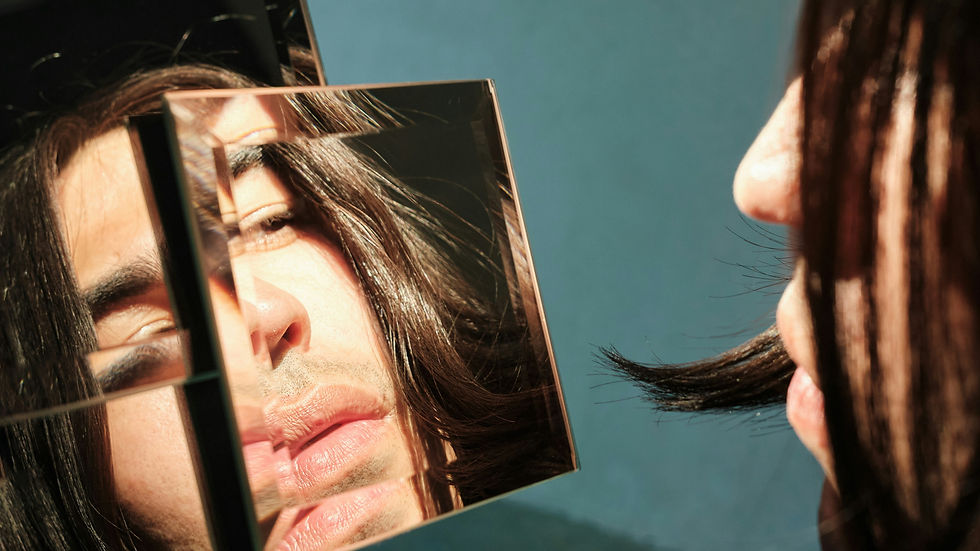
Despite their success, many students in the UK, both domestic and foreign, are sometimes over self-critical. This causes individuals to question their talents. This might be referred to as 'impostor syndrome' and prevents people from doing it properly, yet it is the first step towards recognising it.
As a student growing up in a small city in China, I dedicated nearly 15 hours each day to my studies at school, preparing for the ‘Chinese Gaokao’ and firmly believing that academic performance was paramount. Upon relocating 9,000 kilometers to the UK to further my education, I initially experienced a sense of relief in this new environment. However, after three years, those familiar feelings of self-doubt began to resurface.
It can sometimes be strange to open my eyes in the morning and see the ceiling. The questions that always come to my mind are: do I deserve what I have; do I try to work hard on all the projects I need to do but I hate the results every time, even though others and even my tutors think it's good enough; if I were to talk to others in more depth would they realise that I'm not actually the person they think I am?
It wasn't until a few months ago that I stumbled across social media and learnt that the phenomenon I was experiencing actually has a professional name - ‘impostor syndrome’, first described by psychologists Suzanne Imes and Pauline Rose Clance in 1978. ‘. While the phenomenon is not a formally diagnosed mental illness, it does represent a cognitive distortion that causes people to question their own skills and successes even when they have evidence of their abilities.
Symptoms of impostor syndrome include continuous self-doubt, a fear of admitting one's genuine talents, a desire to overcompensate in order to exceed expectations, a tendency to downplay personal accomplishments, and aversion to opportunities owing to nervousness. According to multiple research, between 70 and 80 percent of people will experience this phenomena at some point in their life.
This condition could be caused by an educational system that prioritises achievement, inconsistent familial patterns of praise and criticism, a comparative mindset fostered by social media platforms, and personality traits such as neuroticism, perfectionism, or low self-esteem.
But really, I'm not being asked to be a ‘soloist’ or a ‘superhero’; I don't have to want to do everything alone. I don't have to want to do it all by myself. They believe they can do it all by themselves; failing to do so only adds to their feelings of unworthiness and embarrassment. There's even less need to have to complete every task in every aspect of life - from being a good student, to a good friend, to a good employee - and feel powerless about not being able to complete one of them in a timely manner.
Everyone's journey has its own challenges, and striving for ‘perfection’ is not the only path to success. When we can be open to these feelings, we begin to learn to better understand and support ourselves.
Comments